







ESMA MiCA crypto stablecoin compliance deadline editorial illustration
European cryptocurrency providers face a broad supervisory expectation to stop maintaining or creating new customer exposure to stablecoins that do not comply with MiCA. The reach of the European Securities and Markets Authority’s guidance goes beyond exchange trading pairs: custody, transfers, advice and portfolio management are also within its stated scope.
In an October 8 opinion, ESMA said authorized crypto-asset service providers should cease services involving non-compliant asset-referenced tokens and e-money tokens. It instructed national regulators to address pre-existing exposures as soon as possible and, where they persist, no later than three months after publication.
The message is not simply that a token should be delisted from an order book. A user might still gain or increase exposure through an exchange, a transfer flow, a hosted wallet service or another provider activity. ESMA explicitly expects technical, contractual and organizational controls that address these routes.
Latest Stories

Coinbase Adds Ripple’s RLUSD on XRP Ledger, Base and Ethereum
US Stablecoin Rule Is Final, but Key GENIUS Act Requirements Start January 18
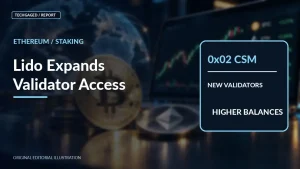
Lido Opens 0x02 Community Staking for Higher-Balance Ethereum Validators
Why custody is part of the restriction
Custody can be mistakenly treated as passive storage, separate from distribution of an unapproved token. But safeguarding and administering tokens on behalf of EU customers may itself be a regulated crypto service. ESMA’s opinion tells supervisors to examine that relationship rather than restrict their attention to buy-and-sell transactions.
Existing assets pose a difficult operational problem. If a provider abruptly blocks a user’s ability to move a token, the user may be unable to reduce an exposure the provider is required to remediate. The opinion therefore allows limited activities necessary for liquidation, conversion, withdrawal, transfer or safekeeping when carefully constrained and supervised.
That exception is not an authorization to continue offering the full product to new customers. The purpose is to resolve existing positions, not create a loophole through which non-compliant tokens remain distributed indefinitely.
What holders should verify
EU customers need to check the specific token’s status, the authorized legal entity providing the service, which exit routes remain open and whether the provider has published a conversion or withdrawal timetable. A stablecoin’s presence in an app is not proof that its issuer is compliant or that every payment and custody service may continue under MiCA.
Providers should explain what is changing in plain language: whether deposits stop, whether withdrawals continue, whether an automatic conversion applies and which assets will be received. Users should not assume that a service restriction means they have lost ownership of a token, nor that every non-MiCA instrument is automatically worthless.
The instruction also creates operational risk when users move assets through unsupported chains or unfamiliar bridges. Scam messages claiming to offer a “MiCA rescue” service should not be trusted, particularly if they request a wallet recovery phrase or an unrestricted token approval.
This is a concrete supervisory expectation, not a hypothetical proposal. However, the precise treatment of an asset and an existing position will depend on the competent national authority, provider arrangements and individual facts. The industry’s next measure of compliance will be whether services actually implement clear and safe offboarding procedures.
How do you rate this article?
Subscribe to our YouTube channel for crypto market insights and educational videos.






Join our Socials
Briefly, clearly and without noise – get the most important crypto news and market insights first.
Most Read Today
1
A Rare Ethereum Trend Is Emerging as Long-Term Holders Keep Taking Losses
2Bitcoin May Not Be Cheap Until $46,457, CVDD Warns
3Aave Liquidates Hacker’s Positions on Ethereum and Arbitrum
4Binance Hacker Moves Millions in ETH as Tornado Cash Laundering Risk Grows
5Bitcoin Is Now Less Volatile Than Nvidia, Says Bitwise CIO
Latest






8
Also read
Similar stories you might like.
Regulation
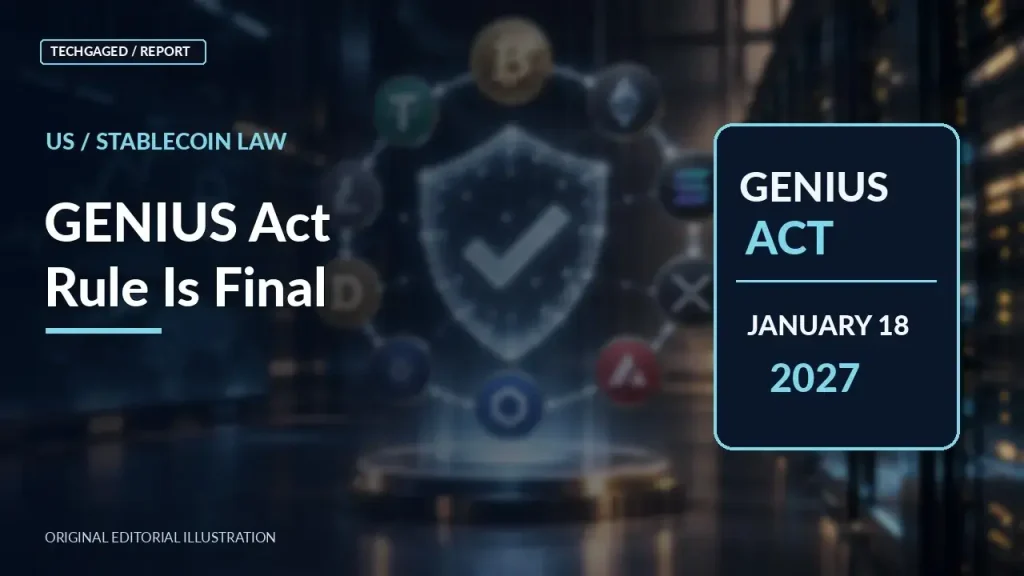
US Stablecoin Rule Is Final, but Key GENIUS Act Requirements Start January 18
TechGaged | 2026-11-02

Regulation
Ripple Wins Final US Trust Bank Approval, but RLUSD Issuer Remains Unchanged
TechGaged | 2026-11-02
Crypto News
Is Tether Gold Backed by Physical Gold?
Azeez | 2026-10-13

Crypto News
Aave Moves to Raise GHO Borrowing Costs as Stablecoin Liquidity Gets Tight
TechGaged | 2026-10-04
Crypto News
Polygon Updates POL’s MiCA White Paper as EU Trading Access Expands
TechGaged | 2026-10-04

Crypto News
Europe Moved First, Now America Wants CLARITY
Ana | 2026-06-29
Crypto News
Ripple Wins Japan Approval For $1.7B RLUSD
Ana | 2026-06-25

Altcoins
Ripple Nears Full EU Crypto Approval Under MiCA
Rokas | 2026-06-23

Crypto News
Fed Proposal Brings Bank-Style KYC to Stablecoins
Ana | 2026-06-19

Blockchain
Fidelity Enters the $320B Stablecoin Reserve Race With New Fund
Rokas | 2026-06-19