






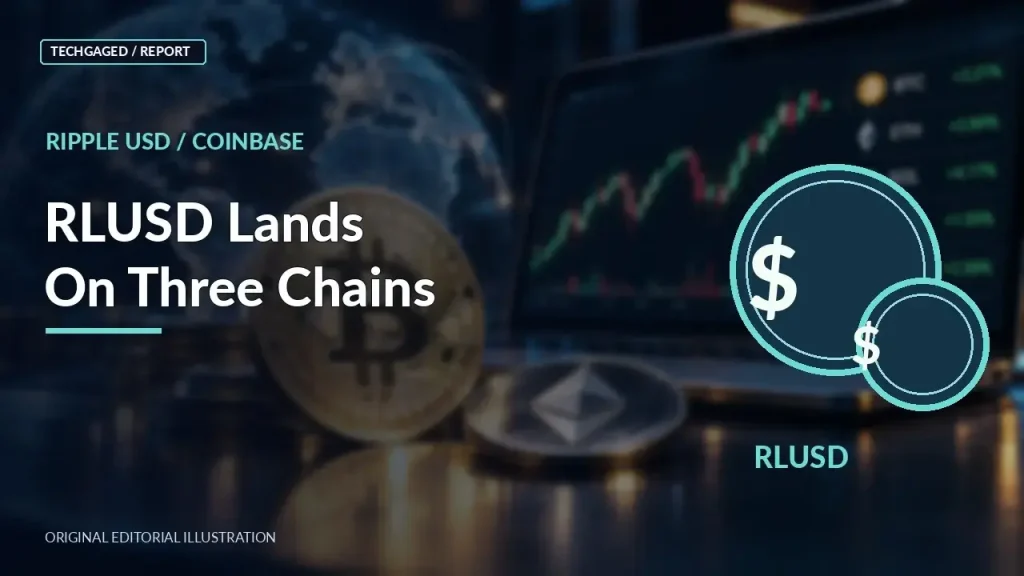
Coinbase listing RLUSD across three networks; original editorial illustration
Coinbase has expanded support for Ripple USD (RLUSD), offering eligible customers the ability to deposit and withdraw the dollar-linked token across XRP Ledger, Ethereum and Base. The listing adds another stablecoin to Coinbase’s institutional and retail infrastructure while giving Ripple a broader distribution route beyond its own ecosystem.
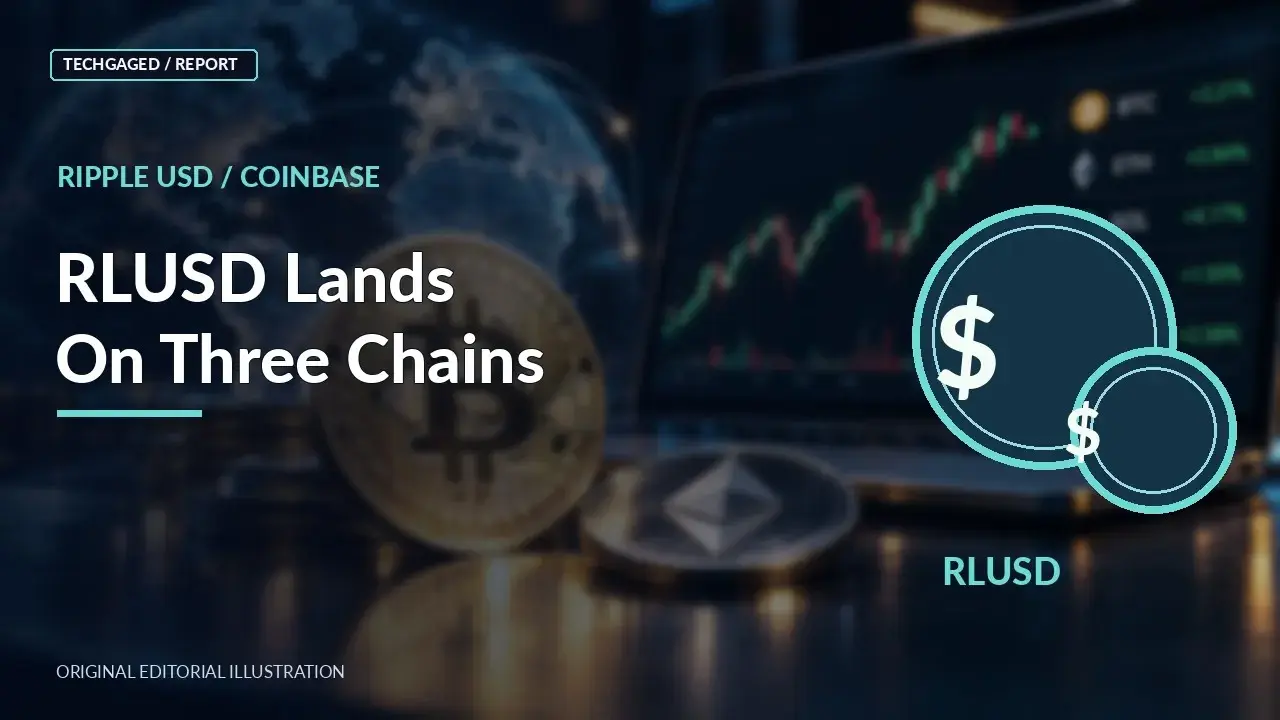
The exchange’s October 28 announcement states that RLUSD is available through Coinbase Prime, Coinbase Exchange and the retail app in supported regions. It also says eligible users may convert dollars into RLUSD at a one-to-one rate. It does not promise universal access in every country, identical fees for all customers or a risk-free redemption path for anyone who holds the token.
The exchange says RLUSD support on Coinbase Global Exchange, including use as collateral, will follow. That is a planned expansion, not a capability that traders should assume is already enabled.
Latest Stories
S&P Global Ratings Brings DeFi Vault Risk Assessments Onchain Through Chainlink

Polygon Open Money Stack Adds Solana for Full Bank-to-Stablecoin Payments
Aviva Tokenizes a £22B Money Market Fund’s Sterling Share Class on XRP Ledger
Three networks create three different transfer routes
Customers can access RLUSD through the XRP Ledger, Ethereum and Base, according to Coinbase. This increases flexibility but also introduces an operational hazard: each network has a distinct address and transaction model, and a receiving venue may not support the same route.
Before transferring a stablecoin, a user should match the sending network with the deposit network shown by the recipient, confirm whether the asset is the officially issued token and review any minimums or restrictions. An RLUSD balance on one chain does not mean a different platform automatically accepts it through every chain.
Ripple has also committed to providing liquidity for RLUSD on Base, Coinbase said. Liquidity provision may improve token trading and transfers, but its effects will depend on market depth, counterparties and how long that liquidity remains available. No specific price impact for XRP can be inferred from an RLUSD distribution announcement.
The utility of a stablecoin is different from that of a volatile cryptocurrency issued for another purpose. RLUSD is intended to track the U.S. dollar; XRP is the separate native asset of XRP Ledger and has different supply, risk and use characteristics. Confusing a stablecoin listing with a decision to accumulate XRP would be analytically unsound.
What matters beyond exchange availability
For institutional settlement, the questions are issuer reserve quality, redemption rights, eligible counterparties and the finality of transfers on supported networks. A major exchange listing can simplify access and custody, but it is not an independent assurance that a payment stablecoin’s underlying assets will always be liquid under extreme market conditions.
Stablecoin risks also involve the intermediary holding the token. An investor with RLUSD in a custodial Coinbase account is exposed to the account terms and platform access controls, whereas a self-custody holder faces private-key and transaction-management risks. Those are distinct from the credit profile of the issuer.
Coinbase framed the addition as a way to support institutions experimenting with blockchain settlement. The next useful evidence will be actual network transfers and adoption by payment providers, rather than a speculative claim that a new ticker is automatically bullish for a related token. For an existing framework on different token representations, see our guide to native versus bridged stablecoins.
How do you rate this article?
Subscribe to our YouTube channel for crypto market insights and educational videos.






Join our Socials
Briefly, clearly and without noise – get the most important crypto news and market insights first.
Most Read Today
1
A Rare Ethereum Trend Is Emerging as Long-Term Holders Keep Taking Losses
2Bitcoin May Not Be Cheap Until $46,457, CVDD Warns
3Aave Liquidates Hacker’s Positions on Ethereum and Arbitrum
4Binance Hacker Moves Millions in ETH as Tornado Cash Laundering Risk Grows
5Binance Publishes Verifiable Reserves for 10 Tokens After $6.3B Hack
Latest








8
Also read
Similar stories you might like.

Security
Coinbase Says Smaller AI Model Beat Frontier LLMs at Fraud Detection in Internal Tests
TechGaged | 2026-11-02
Industry
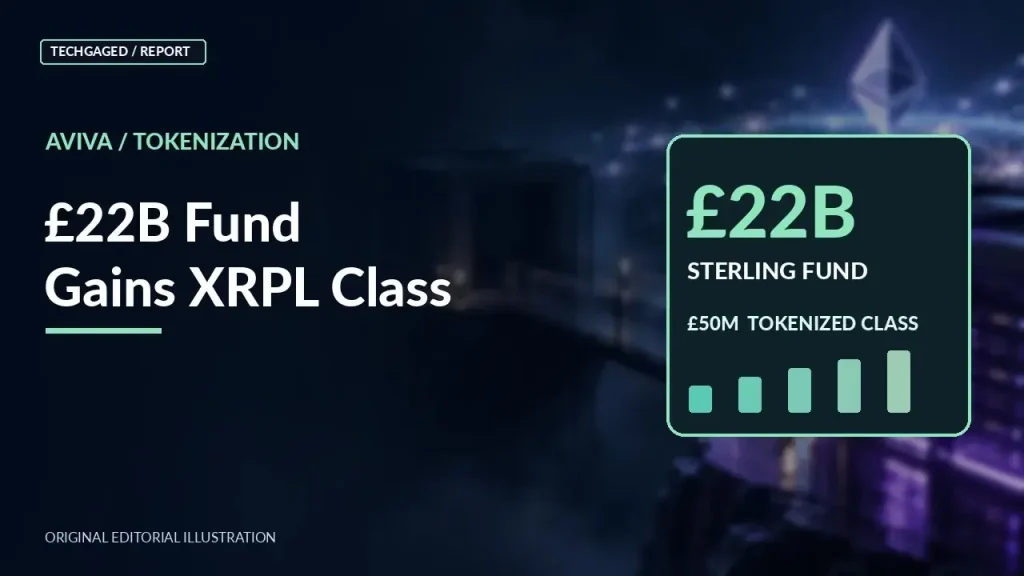
Aviva Tokenizes a £22B Money Market Fund’s Sterling Share Class on XRP Ledger
TechGaged | 2026-11-02
Industry
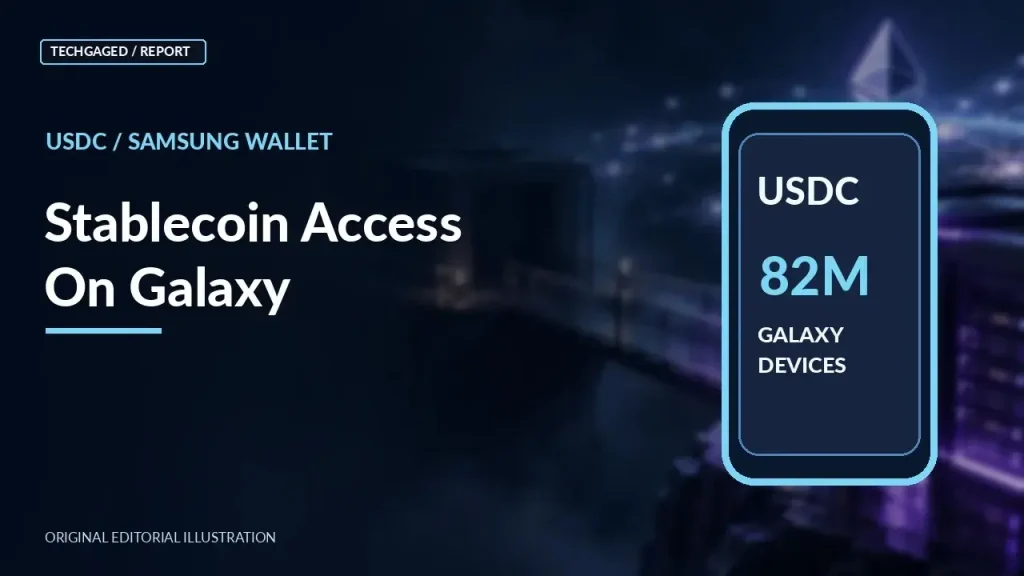
Samsung Wallet’s USDC Plan Reaches 82M Galaxy Devices, but Access Isn’t Automatic
TechGaged | 2026-11-02
Regulation
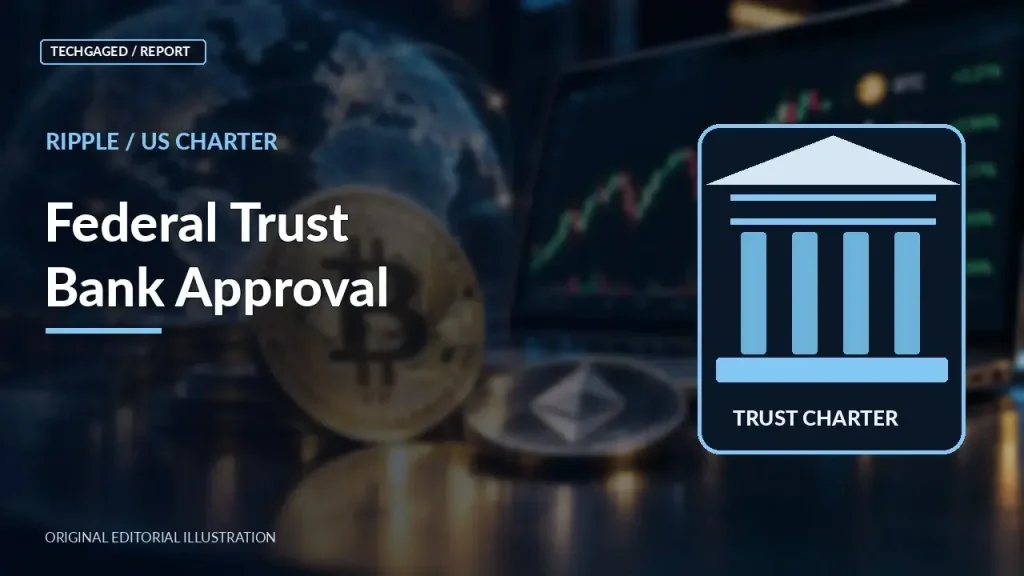
Ripple Wins Final US Trust Bank Approval, but RLUSD Issuer Remains Unchanged
TechGaged | 2026-11-02

Regulation
Ireland Fines Coinbase €3.25M for Safeguarding Failures: Regulator Details Underfunded Accounts
TechGaged | 2026-11-02

Industry
Coinbase Prediction Markets Cross $200M Run Rate as Q3 Reveals Softer Crypto Trading
TechGaged | 2026-11-02
Regulation
Circle Wants Qualifying Stablecoins Treated as Cash Under SEC Proposal
TechGaged | 2026-11-02

Crypto News
Binance Data Signals Rising XRP Demand as Traders Prepare for Their Next Move
Azeez | 2026-10-30

Crypto News
XRP Whales Control 68.5% of Supply — A Bullish Signal or a Risk?
Azeez | 2026-10-27

Crypto News
XRP Sweeps Range Lows Twice — Can Bulls Turn the Setup Into a Rally?
Azeez | 2026-10-26