







Coinbase AI fraud detection model comparison illustration
Coinbase Says Smaller AI Model Beat Frontier LLMs at Fraud Detection in Internal Tests
Coinbase says a specially trained smaller language model outperformed a larger frontier model in the exchange’s internal fraud-detection benchmark, illustrating how task-specific evaluation can matter more than headline general AI rankings for sensitive financial applications.

In an October 8 engineering report, Coinbase described post-training Qwen3.5-9B on proprietary Onramp fraud data and serving it using Ray Serve and vLLM. The company reported a 9.6% higher F1 score than its Opus 4.5 comparison on its benchmark and a 55% reduction in end-to-end latency in online inference.
These are company-reported results from a specific environment and dataset, not independent proof that the model is universally better at detecting fraud, nor that every false positive or loss has been eliminated.
Latest Stories
S&P Global Ratings Brings DeFi Vault Risk Assessments Onchain Through Chainlink

Polygon Open Money Stack Adds Solana for Full Bank-to-Stablecoin Payments

Aviva Tokenizes a £22B Money Market Fund’s Sterling Share Class on XRP Ledger
What the performance metrics mean
Fraud detection requires choosing between catching malicious transactions and avoiding unnecessary blocks of legitimate customers. Precision measures the proportion of flagged cases that are actually positive, while recall measures how many real positives were identified. F1 combines the two, but can conceal the relative cost of different mistakes.
Coinbase says it evaluated models using multiple detection metrics rather than only accuracy, and that a post-trained smaller model achieved stronger results for the target task. This is consistent with the fact that fraud signals may be domain-specific and tied to structured transaction context rather than general conversation capability.
Earlier parts of the firm’s engineering series describe an AI agent layered over existing machine-learning systems and rules. The company reports that an online A/B experiment reduced fraudulent transactions and fraud value, though readers should not automatically attribute all of that improvement to the smaller post-trained model.
Why exchanges need independent oversight of AI
Automated risk decisions can be costly when wrong. A false negative may allow stolen funds to leave a platform; a false positive can block a legitimate customer from accessing money at a critical moment. A trustworthy system needs clear escalation, human review, appeal routes and accountability for changes in model behavior.
Fraud patterns evolve as attackers respond to controls. A benchmark built from historic cases may overstate the model’s performance against unfamiliar attack methods, new user populations or adversarially manipulated inputs.
Good governance also requires defining which customer information the model is allowed to access and how sensitive signals are stored, logged and audited. A fast detector that uses poorly protected financial data can create a different security problem.
For consumers, improved internal fraud screening is encouraging but not a substitute for protecting credentials, confirming withdrawal addresses and using robust authentication. The technical report points to the promise of domain-trained AI while underscoring that exchanges should validate performance in production rather than treat a general LLM leaderboard as an operational security audit.
How do you rate this article?
Subscribe to our YouTube channel for crypto market insights and educational videos.






Join our Socials
Briefly, clearly and without noise – get the most important crypto news and market insights first.
Most Read Today
1
A Rare Ethereum Trend Is Emerging as Long-Term Holders Keep Taking Losses
2Bitcoin May Not Be Cheap Until $46,457, CVDD Warns
3Aave Liquidates Hacker’s Positions on Ethereum and Arbitrum
4Binance Hacker Moves Millions in ETH as Tornado Cash Laundering Risk Grows
5Binance Publishes Verifiable Reserves for 10 Tokens After $6.3B Hack
Latest







8
Also read
Similar stories you might like.
Industry
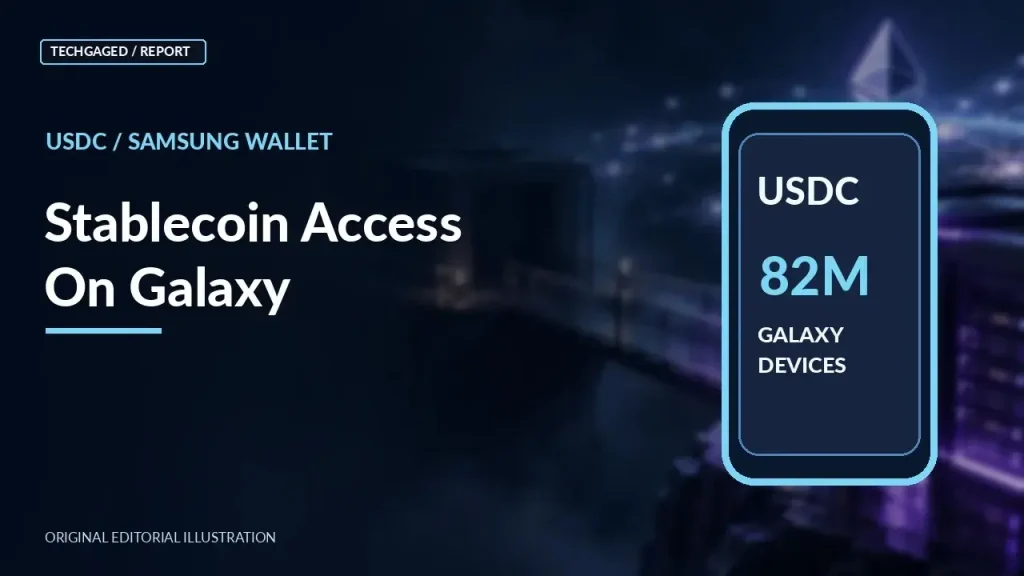
Samsung Wallet’s USDC Plan Reaches 82M Galaxy Devices, but Access Isn’t Automatic
TechGaged | 2026-11-02
Altcoins
Coinbase Adds Ripple’s RLUSD on XRP Ledger, Base and Ethereum
TechGaged | 2026-11-02

Regulation
Ireland Fines Coinbase €3.25M for Safeguarding Failures: Regulator Details Underfunded Accounts
TechGaged | 2026-11-02

Industry
Coinbase Prediction Markets Cross $200M Run Rate as Q3 Reveals Softer Crypto Trading
TechGaged | 2026-11-02

Crypto News
Base’s Tokenized Stock Market Gains Momentum as Trading Activity Surges
Azeez | 2026-08-28

Crypto News
Chainlink Scores A Major Win As Coinbase Expands Tokenized Stocks
Azeez | 2026-08-26
Crypto News
The Biggest Bitcoin Hoarders in History Revealed
Azeez | 2026-06-19

Blockchain
Coinbase Just Unveiled Real Tokenized Stocks
Rokas | 2026-06-17
Blockchain
Mastercard Launches Stablecoin-Powered AI Economy
Ana | 2026-06-11

Crypto News
MetaMask Unleashes AI Agents Across DeFi Networks
Ana | 2026-06-09