







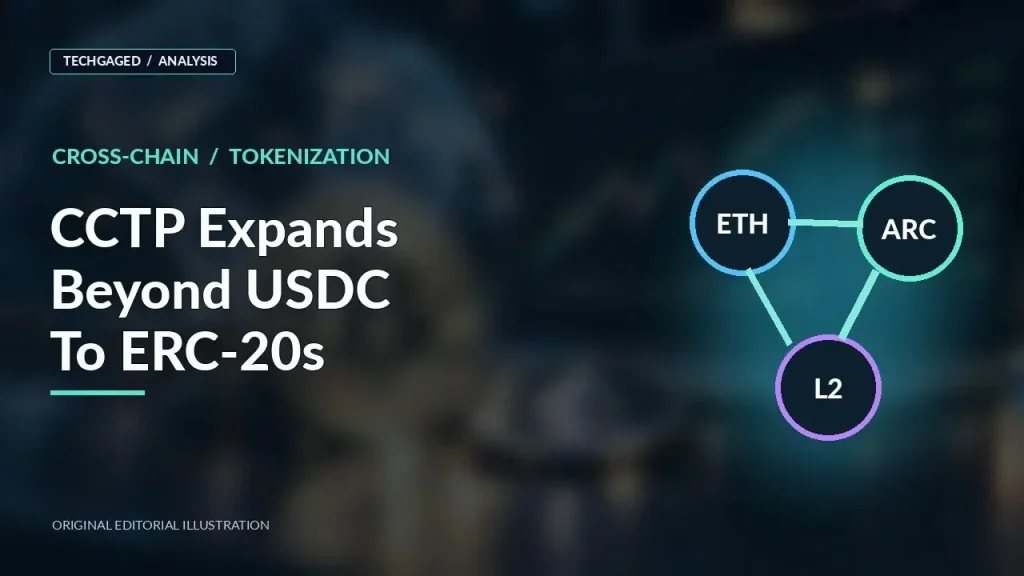
Circle CCTP cross-chain token interoperability editorial illustration
Circle Opens CCTP to More Than USDC: A New Route for Issuer-Controlled Tokens
Circle is opening its cross-chain infrastructure to a broader class of issuer-operated tokens, documenting how developers can move ERC-20 assets between supported networks using the messaging and attestation system previously associated primarily with USDC. The shift matters for stablecoin and tokenization businesses whose products live on more than one blockchain.
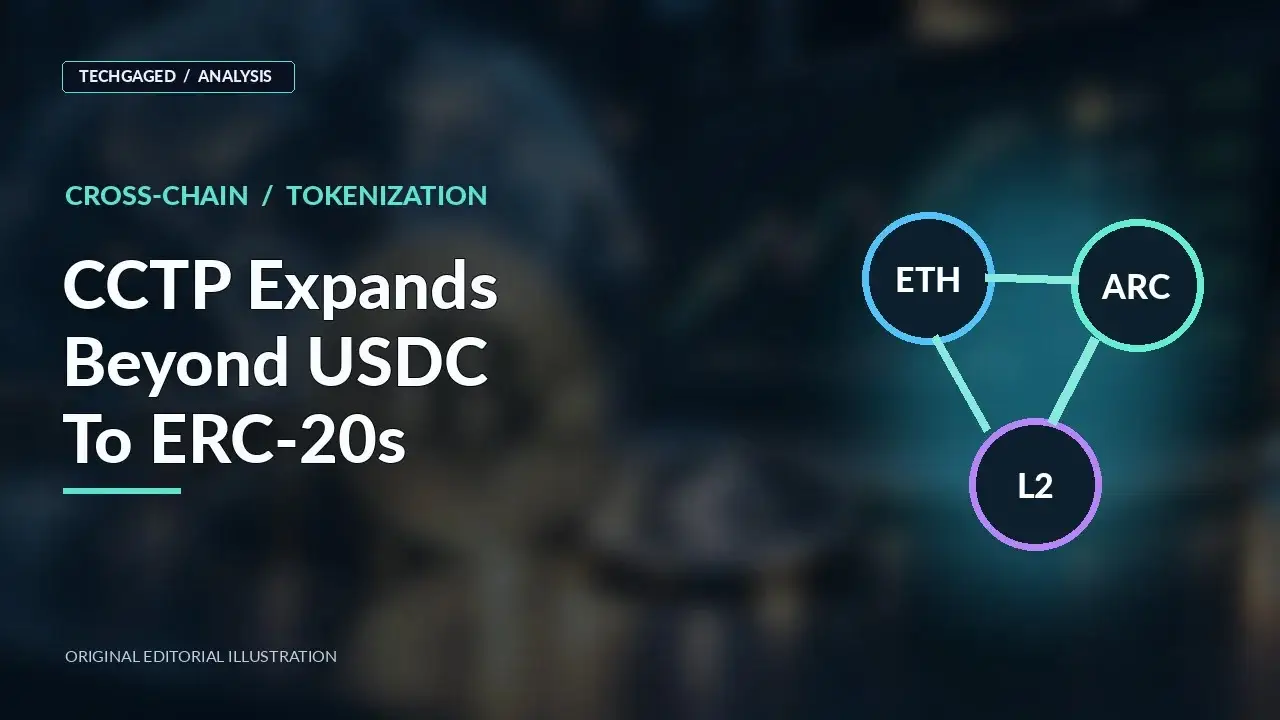
The company set out the implementation in an October 30 engineering guide to its Cross-Chain Transfer Protocol (CCTP). The guide describes a native route for tokens deployed via Circle’s CrossChainToken system, plus a custom route that connects an existing ERC-20 controlled by its issuer. It includes a worked example on Arc Testnet, rather than suggesting every blockchain or every third-party token is already supported in production.
CCTP has become familiar for USDC transfers: tokens are burned on one chain and an attested message authorizes an equivalent mint on another. Its importance is not that the original token physically travels between ledgers, but that the total supply can be accounted for while representation moves between supported networks.
Latest Stories
Coinbase Prediction Markets Cross $200M Run Rate as Q3 Reveals Softer Crypto Trading
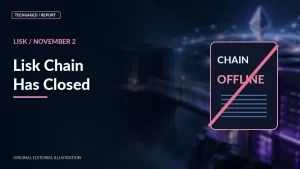
Lisk Chain Shuts Down on November 2: What Happens to Stranded Crypto Assets?

Ethereum Delays Glamsterdam Test on Hoodi as Developers Review Gas-Rule Interactions
What changes for token issuers
Circle says the expanded design uses CrossChainTokenService and a per-token manager for non-USDC assets. The issuer can either deploy a new CrossChainToken with a common identity across chains or register a compatible existing token under a custom configuration. In both cases, controlling the relevant token contracts and setting operational privileges are responsibilities of the issuer.
A source-chain burn emits a message; Circle’s Iris service attests that event; and a destination-chain contract verifies the attestation before minting the corresponding amount. According to the guide, the user must arrange approvals, check fee quotes and ensure that trusted domains are properly configured. Optional forwarding can automate the destination step, subject to the current fee quotation.
The design can remove the need for each application to use an unrelated wrapped-token bridge when an issuer wants the same economic asset available across supported chains. But the documentation does not grant assets universal acceptance: individual integration, market liquidity and the legal arrangements behind a token remain outside the transfer mechanism.
For Arc Testnet, Circle explains how an issuer creates a consistent token identity using the deployer address and salt. Matching decimals and explicit cross-domain trust settings are required. Transfer caps, pauser permissions and operator roles are not cosmetic defaults; wrongly configured limits can either block legitimate activity or expose users to unnecessary operational risk.
Better interoperability does not erase issuer risk
The most useful distinction is between interoperability and collateral quality. CCTP can transport a well-defined asset representation, but it cannot certify that the issuer has adequate reserves, that redemption rights are enforceable or that tokens are permitted under every jurisdiction’s rules. These issues become especially important for real-world assets and privately operated stablecoins.
Circle’s documentation also says that third-party assets are not automatically vetted or endorsed by its infrastructure. Users may face smart-contract, network and relay failures, and incorrect cross-chain transfers can be irreversible. Teams launching such assets should audit the contracts, rehearse emergency pauses, test the mint-and-burn invariant and document who may change permissions.
This extends a theme from TechGaged’s analysis of native and bridged USDC: matching tickers do not guarantee matching rights or transfer paths. A common cross-chain token identity helps technical accounting, yet it is no substitute for verifying the economic and legal asset behind the code.
The next signal of adoption will be actual issuer integrations on supported mainnets, not simply the existence of a testnet tutorial. Circle has provided a technical route; whether developers use it at meaningful scale remains to be shown.
How do you rate this article?
Subscribe to our YouTube channel for crypto market insights and educational videos.






Join our Socials
Briefly, clearly and without noise – get the most important crypto news and market insights first.
Most Read Today
1
Elon Musk’s SpaceX Unveils Massive Bitcoin Treasury Ahead of IPO
2A Rare Ethereum Trend Is Emerging as Long-Term Holders Keep Taking Losses
3Aave Liquidates Hacker’s Positions on Ethereum and Arbitrum
4Bitcoin Is Now Less Volatile Than Nvidia, Says Bitwise CIO
5Bitcoin May Not Be Cheap Until $46,457, CVDD Warns
Latest






8
Also read
Similar stories you might like.

Industry
Coinbase Prediction Markets Cross $200M Run Rate as Q3 Reveals Softer Crypto Trading
TechGaged | 2026-11-02
Regulation
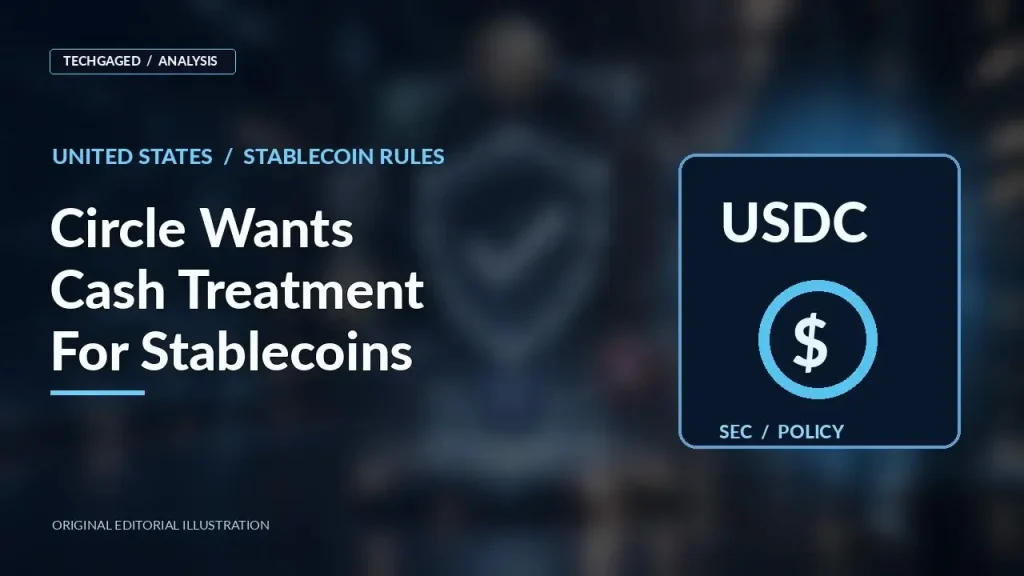
Circle Wants Qualifying Stablecoins Treated as Cash Under SEC Proposal
TechGaged | 2026-11-02

Crypto News
Is Tether Gold Backed by Physical Gold?
Azeez | 2026-10-13

Blockchain
Ondo Opens 24/7 Onchain Access to Private Companies, Starting With AI
TechGaged | 2026-10-06
Altcoins
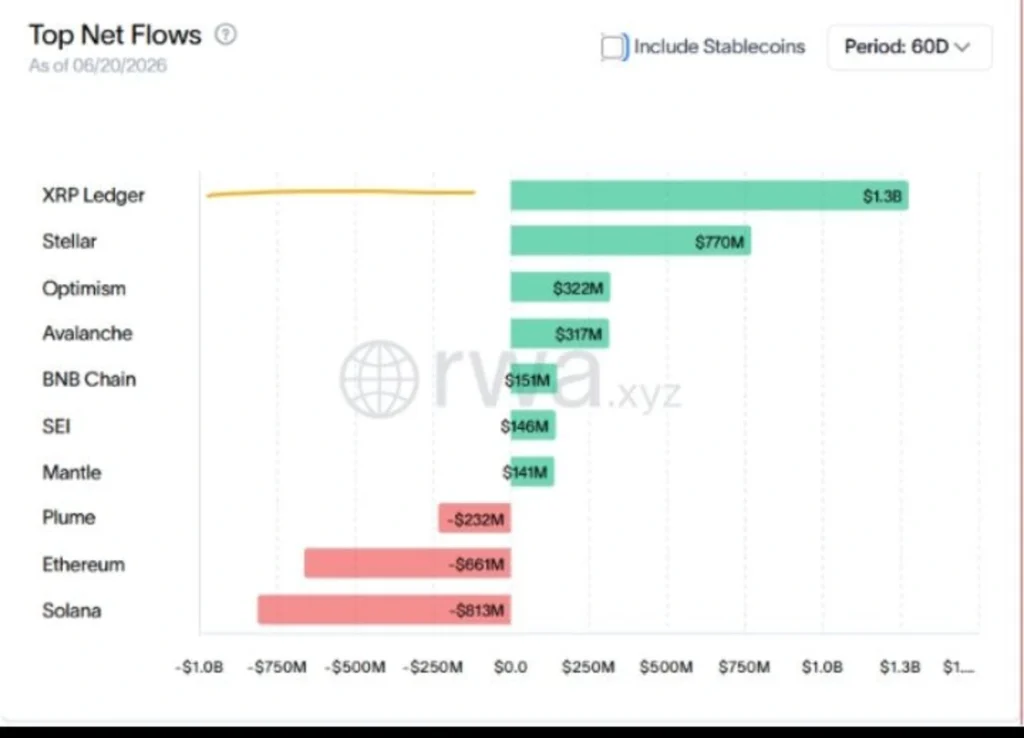
XRP Ledger RWA Transfer Volume Hits $7.03B — Up 1,469% in 30 Days
TechGaged | 2026-10-06

Blockchain
Wall Street’s Blockchain Switch Is Arriving: DTCC Tokenization Service Targets October Launch
TechGaged | 2026-10-04
Crypto News
Tether Adds 3.7 Tons of Gold-Backed Assets: Tokenization Enters a New Phase
Azeez | 2026-09-30

Crypto News
HBAR Goes After the $5T Tokenization Narrative With Major Stocks
Azeez | 2026-09-26
Crypto News
The Real World Assets (RWA) Race Has Taken a New Turn
Azeez | 2026-09-07

Crypto News
Tokenized Gold Is Flowing Into DeFi — Tether Gold Crosses $100M
Azeez | 2026-09-02