




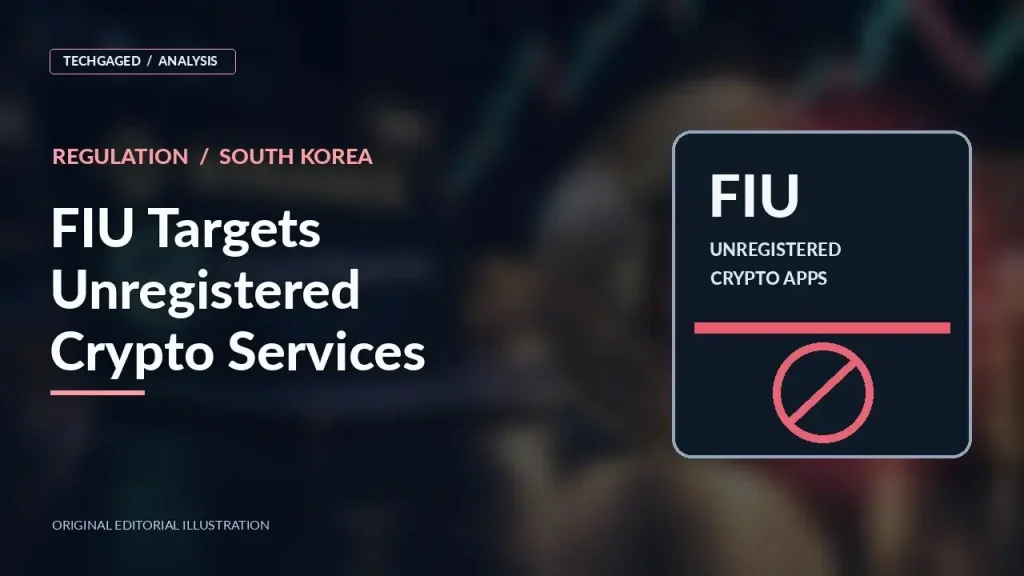
South Korean FIU enforcement against unregistered crypto operators editorial illustration
South Korea Seeks Blocks on Two Unregistered Crypto Services After DAXA Referrals
South Korea’s Financial Intelligence Unit has requested domestic access restrictions for two suspected unregistered cryptocurrency businesses following referrals by the Digital Asset eXchange Alliance (DAXA). The move illustrates how regulators are using distribution controls, not only enforcement against local companies, to police crypto services offered to Korean customers.
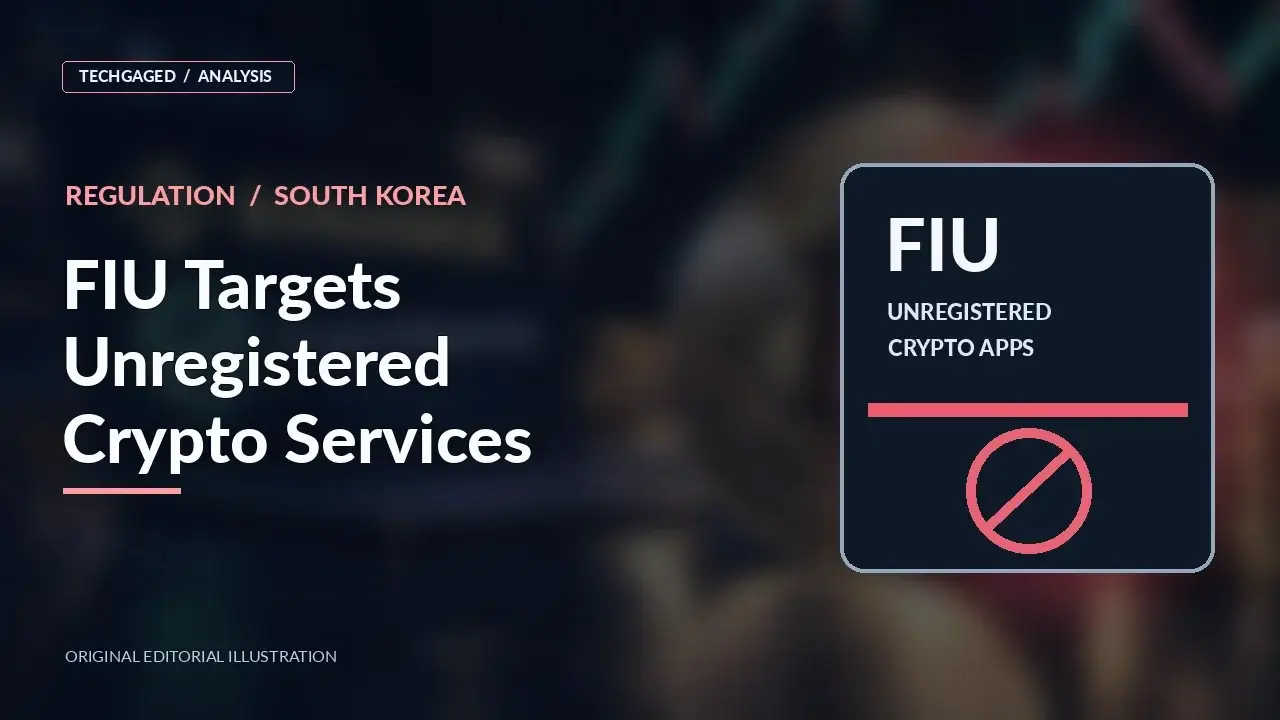
According to the Financial Services Commission’s October 30 notice, DAXA referred three cases involving Aegis Ventures, TetherMax and SuperTrust as suspected operators without required virtual-asset business registration. The FIU asked the relevant communications-review authority to restrict local access to the websites and mobile applications of two of those services. Aegis Ventures was not included in the blocking request because the agency said it did not have a relevant website or mobile app for the unregistered activity.
The legal and procedural distinctions are important. DAXA’s referrals are not court convictions; the FIU’s request is not proof that all three operators have been found guilty; and an access-blocking request is not necessarily evidence that blocking has already been fully implemented. The official notice describes actions taken and requested, rather than the end of a judicial process.
Latest Stories
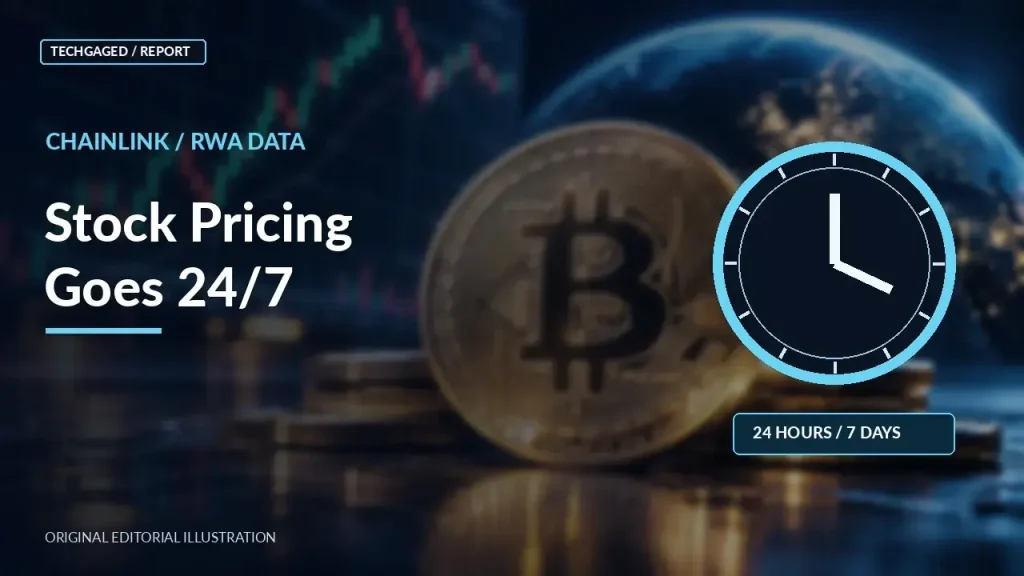
Chainlink Launches 24/7 Pricing for Tokenized Stocks as Aave Addresses Weekend Risk

Ireland Fines Coinbase €3.25M for Safeguarding Failures: Regulator Details Underfunded Accounts

Coinbase Prediction Markets Cross $200M Run Rate as Q3 Reveals Softer Crypto Trading
Why access control matters in crypto enforcement
Crypto platforms can market services through websites, applications, social channels and referral networks without maintaining a conventional retail branch. Domestic authorities therefore often face a practical choice: pursue a registration or investigation route while seeking to reduce ongoing exposure through app or domain restrictions.
That approach can affect local users quickly, even before a final legal determination. It also creates challenges for customers who already hold funds with a platform. Loss of website or app access does not automatically mean assets have been recovered, accounts closed or balances safely transferred to an authorized custodian.
Consumers should examine the specific service and jurisdictional rules before depositing funds. A name that resembles a legitimate stablecoin issuer or large trading venue does not establish licensing, and social-media promises of unusually high returns are not substitutes for verifiable registration.
The FIU notice distinguishes the digital-access measures from the original three DAXA referral cases. Mixing up these totals would overstate the regulator’s action. Nor does the document establish that an exchange hack caused this enforcement initiative; it predates the FSC’s separate November 2 emergency meeting about security controls following the Binance incident.
What investors can check now
Users concerned about a platform should verify its operating entity, the jurisdiction where their account is held, the official regulator’s registration lists and its disclosed withdrawal procedures. They should avoid responding to unsolicited offers to “recover” frozen funds by sending additional cryptocurrency or exposing recovery phrases.
Where a service claims to provide custody, the key questions include who holds signing authority, whether customer balances are segregated, what happens in insolvency and whether withdrawal terms can change without notice. These safeguards matter even on licensed platforms; registration alone is not an audit of every asset or business practice.
The Korean announcement also illustrates a broader European and international policy issue: compliance must be assessed locally even when token transfers occur on globally accessible blockchains. Geographic restrictions, marketing rules and legal classification of activities can differ markedly across countries.
The next verifiable updates would be confirmation of whether the requested blocks were implemented, any formal investigation outcomes and instructions for affected customers. Until then, the accurate description is narrower than an industry-wide ban: South Korea’s FIU has acted on two website-and-app access requests arising from three DAXA referrals.
How do you rate this article?
Subscribe to our YouTube channel for crypto market insights and educational videos.




Join our Socials
Briefly, clearly and without noise – get the most important crypto news and market insights first.
Most Read Today
1
Elon Musk’s SpaceX Unveils Massive Bitcoin Treasury Ahead of IPO
2A Rare Ethereum Trend Is Emerging as Long-Term Holders Keep Taking Losses
3Aave Liquidates Hacker’s Positions on Ethereum and Arbitrum
4Bitcoin Is Now Less Volatile Than Nvidia, Says Bitwise CIO
5Bitcoin May Not Be Cheap Until $46,457, CVDD Warns
Latest







8
Also read
Similar stories you might like.

Regulation
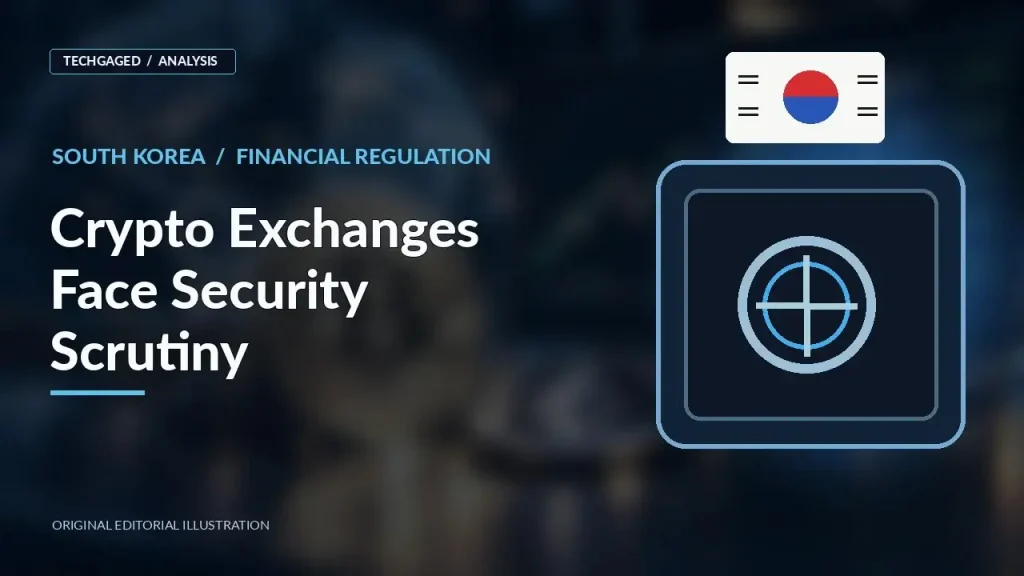
Ireland Fines Coinbase €3.25M for Safeguarding Failures: Regulator Details Underfunded Accounts
TechGaged | 2026-11-02
Regulation
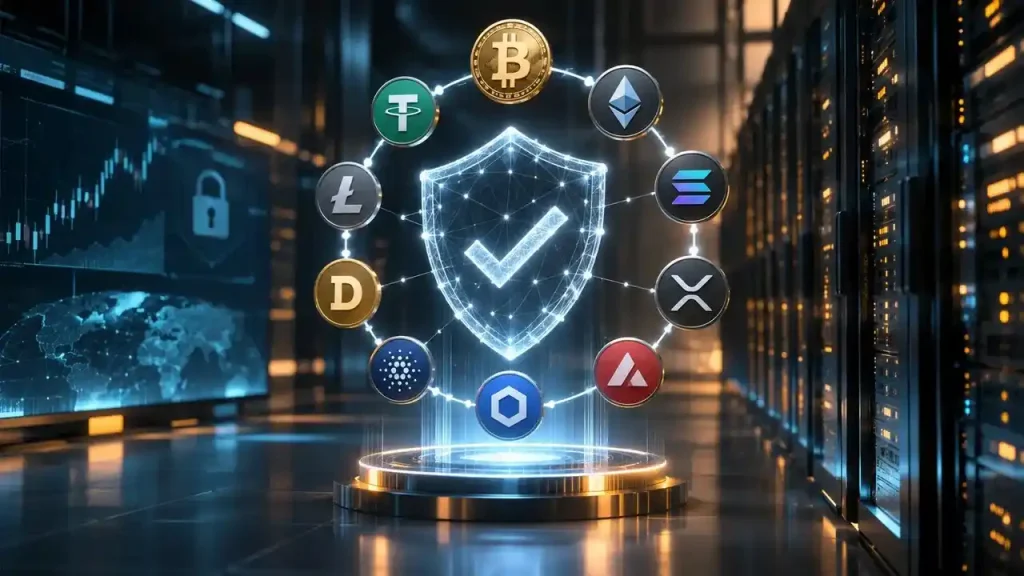
South Korea Urges Crypto Exchanges to Raise Cold Wallet Holdings After Binance Hack
TechGaged | 2026-11-02
Security
Binance Publishes Verifiable Reserves for 10 Tokens After $6.3B Hack
TechGaged | 2026-11-02
Crypto News
Chainlink Expands in South Korea as LINK Tests $12 Support
Azeez | 2026-10-23
Crypto News
Polygon Updates POL’s MiCA White Paper as EU Trading Access Expands
TechGaged | 2026-10-04
Blockchain
South Korea’s KOMSCO Tests Full Local-Currency Settlement on the OP Stack
TechGaged | 2026-10-04
Regulation
US Government Seizes Crypto from Binance User Account
Rokas | 2026-07-29
Regulation
US Forfeiture Targets 41 Bitcoin in Legal Action
Rokas | 2026-07-02
Regulation
US Government Moves to Seize 16 Bitcoins from Kraken Account
Rokas | 2026-07-01
Crypto News
Solana Wins Landmark Korean Banking Deal
Rokas | 2026-06-22