








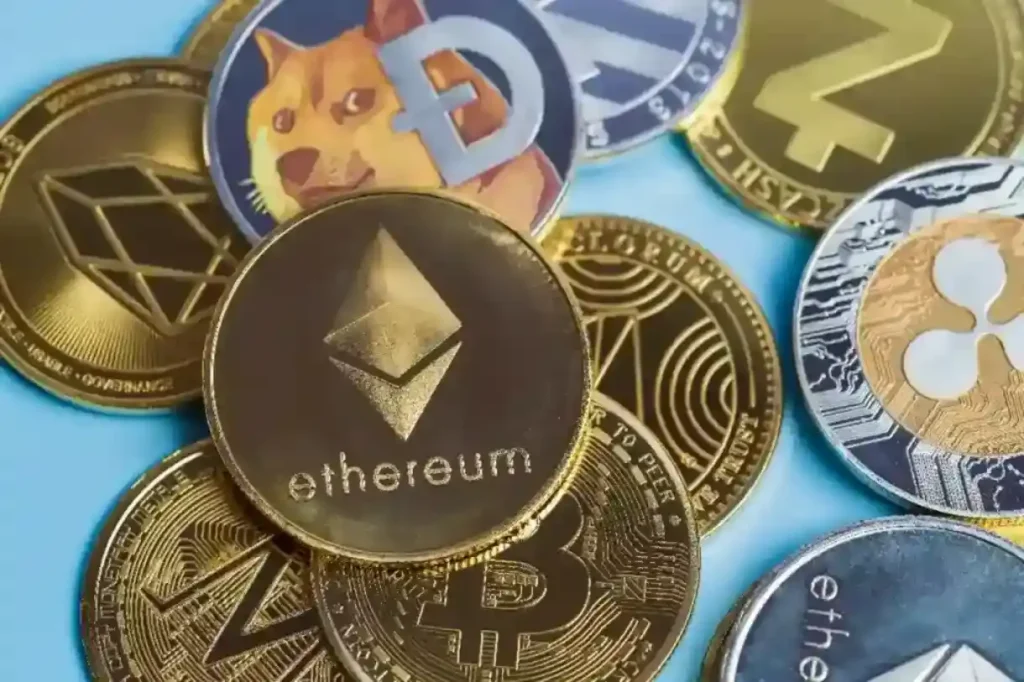
Generated editorial cover of an Ethereum sculpture and investment fund folder for Amundi tokenized STOXX Europe 600 fund
Amundi has launched a tokenized share class of its Core STOXX Europe 600 index fund on the public Ethereum blockchain, extending its digital-asset initiative beyond money-market instruments into broad European equity exposure. The launch, developed with CACEIS, shows how traditional asset managers are experimenting with blockchain-based distribution while keeping established fund structures in place.
A fund share class—not 600 individual tokenized stocks
In its announcement, Amundi says the new share class is issued on Ethereum and integrated into the fund’s existing operating model. Investors can still access the underlying fund through traditional channels. CACEIS supplies technology and infrastructure to support the tokenization of the fund units.
The structure matters because the headline can be misunderstood. Amundi is not saying that each constituent company in the STOXX Europe 600 index has issued its own onchain shares. Investors receive exposure through shares in an index fund, and the tokenized share class represents that fund-level investment in a new technological format.
Latest Stories

World Liberty Financial Plans WLFI Buybacks as Token Slides Over 60% This Year

Russia Clears Bitcoin, Ether and USDT for Retail Trading From November 17

Nigeria Bans Algorithmic Stablecoins as New Licenses Demand Up to ₦15 Billion
The existing regulatory, investment and custody architecture remains relevant. A blockchain record does not by itself replace fund administration, investor eligibility requirements, tax treatment or the need to enforce transfers according to the product’s rules.
By using a public blockchain, the partners can explore distribution and servicing models compatible with token-based records, potentially including integrations with new digital custodians and institutional workflows. Those possibilities should not be mistaken for a claim that every holder can trade these units permissionlessly at any hour or that a public secondary market has already been established.
Why European equity tokenization is gaining relevance
Tokenized cash products and government securities have received much of the early institutional attention because settlement and collateral management offer clearer near-term efficiency gains. Broad equity-index exposure presents a different test: whether blockchain infrastructure can support a widely used investment strategy without adding operational and compliance complexity.
Amundi’s move is therefore notable as a product-distribution experiment rather than a radical change to the economic exposure of an index fund. End investors still bear market risk linked to European equities, and tokenization does not eliminate fund fees or market volatility.
For Ethereum, the development contributes to a growing collection of institutional projects using public networks as part of the recordkeeping and transfer process. Other infrastructure initiatives have focused on cross-chain access and collateral control, including risk information for onchain financial products.
Source: Amundi press release. Product features and investor availability depend on the fund’s official documentation and distribution arrangements.
How do you rate this article?
Subscribe to our YouTube channel for crypto market insights and educational videos.





Join our Socials
Briefly, clearly and without noise – get the most important crypto news and market insights first.
Most Read Today
1
Exclusive: Dr. Persichetti Challenges Key Claims in Cointelegraph’s Quantum Crypto Analysis
2Inverse Kiyosaki Strategy Explained: The Cost of Sitting Out
3Lisk Chain Shuts Down on November 2: What Happens to Stranded Crypto Assets?
4OKX Adds Five Stock Perpetuals as Crypto Exchanges Push Further Into TradFi
5ADA ETF Decision Nears — One SEC Date Could Trigger a Market Shakeup
Latest







8
Also read
Similar stories you might like.

Regulation
Russia Clears Bitcoin, Ether and USDT for Retail Trading From November 17
TechGaged | 2026-11-08
Blockchain
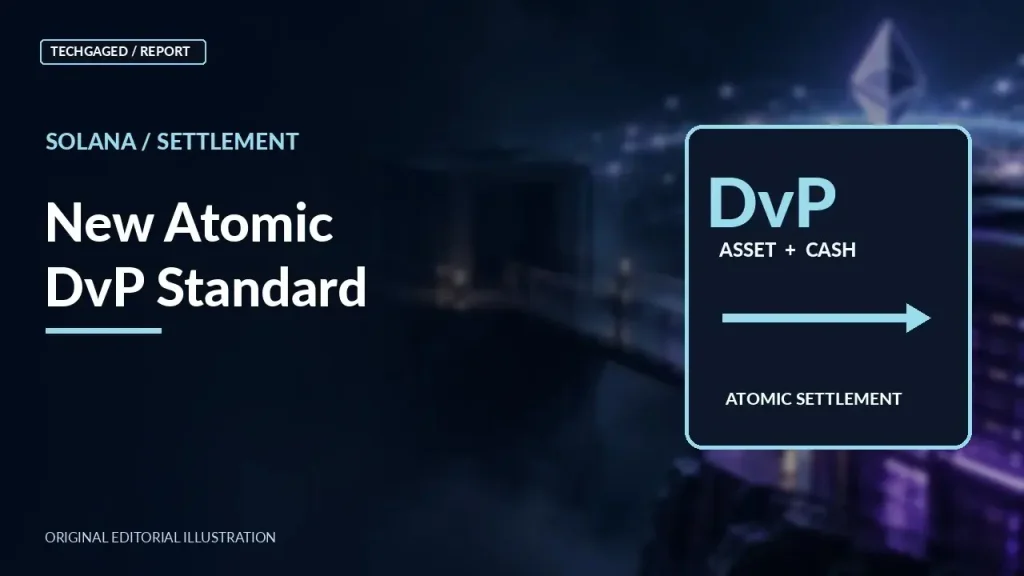
Solana Publishes Open-Source Delivery-versus-Payment Program With JPMorgan Input
TechGaged | 2026-11-02
Defi
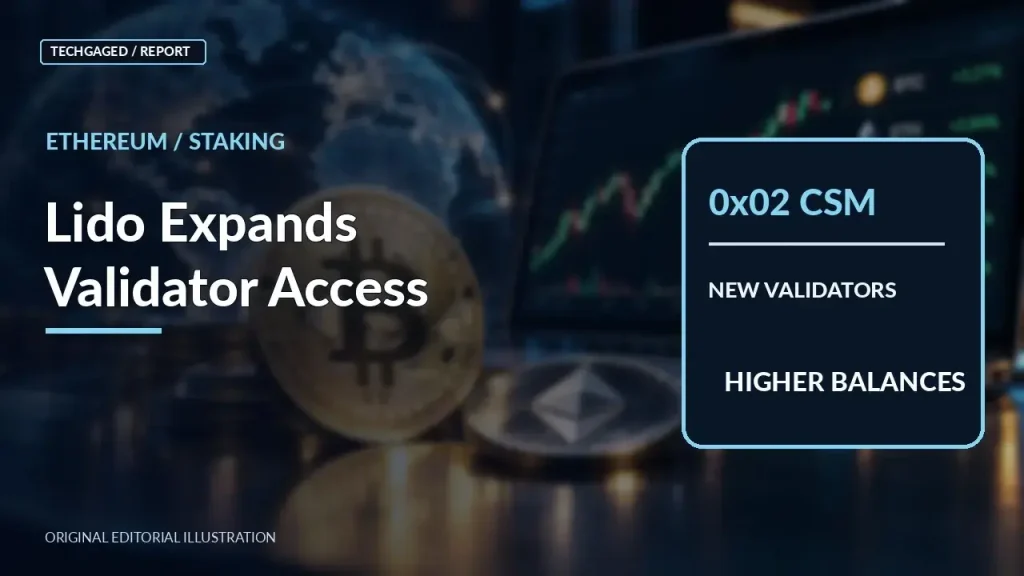
Lido Opens 0x02 Community Staking for Higher-Balance Ethereum Validators
TechGaged | 2026-11-02
Industry
Hanwha Selects Chainlink for Global Tokenized Assets Ahead of Korea’s 2027 Rules
TechGaged | 2026-11-02
Blockchain
Lisk Chain Shuts Down on November 2: What Happens to Stranded Crypto Assets?
TechGaged | 2026-11-02
Blockchain
Ethereum Delays Glamsterdam Test on Hoodi as Developers Review Gas-Rule Interactions
TechGaged | 2026-11-02
Blockchain
Circle Opens CCTP to More Than USDC: A New Route for Issuer-Controlled Tokens
TechGaged | 2026-11-02

Crypto News
Binance Hacker Moves Millions in ETH as Tornado Cash Laundering Risk Grows
Azeez | 2026-10-30

Crypto News
Ethereum’s Next Move Could Catch the Market Off Guard — Watch These Signals
Azeez | 2026-10-28
Crypto News
Altcoin Speculation Retreats From September Highs: What It Means for Buyers
Azeez | 2026-10-27