







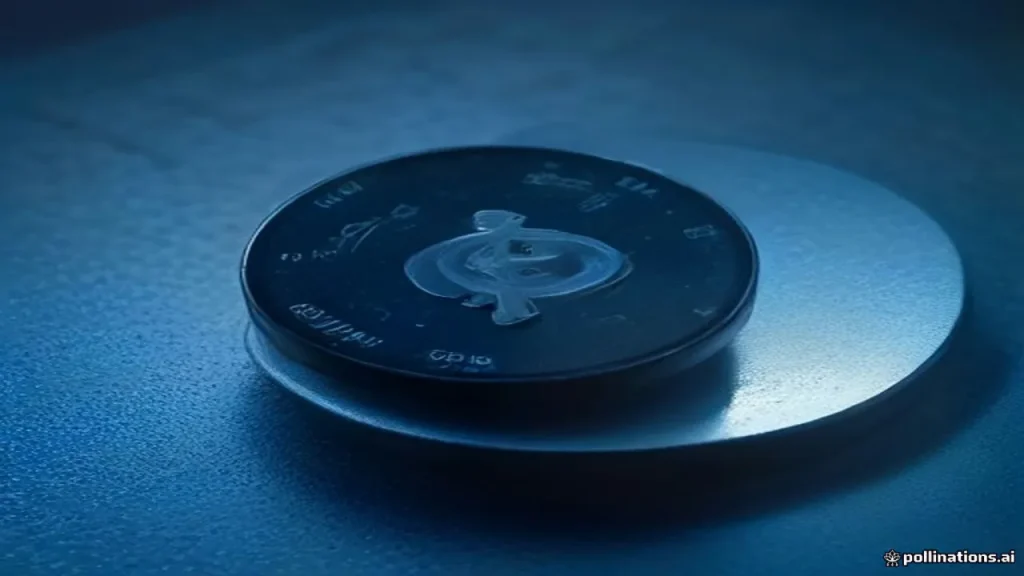
Original editorial image of a silver Zcash coin illustrating the NU7 network upgrade
Zcash has activated its NU7 network upgrade on mainnet, reducing its target time between blocks from 75 seconds to 25 seconds. The change is designed to make ZEC transfers more responsive without accelerating the cryptocurrency’s long-term issuance schedule. It also introduces a new mechanism for handling transaction fees and retires an old privacy pool, creating a significant operational milestone for the network.
What changed at Zcash block 3,543,405
NU7 took effect at block height 3,543,405 on November 5–6, according to the Zcash Foundation’s node release documentation and subsequent network reporting. The faster block target is a consensus change rather than a guarantee that every payment will be confirmed in exactly 25 seconds. Actual timing depends on mining, network conditions and the number of confirmations a wallet or exchange requires.
To preserve monetary policy, the block subsidy is reduced proportionally as blocks arrive more often, and the number of blocks between halvings is increased. The familiar cap of 21 million ZEC is not being raised. That distinction matters because faster blocks do not, by themselves, mean three times as many coins will be issued each day.
Latest Stories

World Liberty Financial Plans WLFI Buybacks as Token Slides Over 60% This Year

Amundi Puts STOXX Europe 600 Fund Shares on Ethereum With CACEIS

Russia Clears Bitcoin, Ether and USDT for Retail Trading From November 17
NU7 also introduces the Network Sustainability Mechanism. Under that system, 60% of transaction fees are reserved rather than immediately paid to miners, with a planned future release through block rewards beginning around 2031. The remaining fee share goes to miners. The design seeks to address what happens when long-term block subsidies continue declining.
The upgrade has a more difficult consequence for holders of legacy private balances. It disables version 4 transactions used by the original Sprout shielded pool. Reporting by The Block estimated approximately 12,224 ZEC remained in that pool at activation and became unspendable under the new rules. That is different from a routine wallet-update inconvenience.
Why the upgrade matters beyond faster confirmations
The immediate benefit is an improved user experience for ordinary transfers, particularly when payment services need timely confirmation. Privacy-focused wallet infrastructure also benefits from changes intended to put boundaries on shielded activity per block and reduce unnecessary client work.
However, a faster target interval does not necessarily translate into a threefold increase in every application’s throughput. Wallet design, shielding requirements, network congestion and service policies remain important. Nodes that failed to upgrade before NU7 could also fall out of consensus, making infrastructure readiness essential.
For holders, the practical question is whether their wallet and exchange support the upgraded network. Users who rely on older wallets should seek instructions from the project’s verified channels rather than untrusted migration offers. TechGaged previously explained why the legacy Sprout transition posed a specific risk; NU7’s activation now makes that issue concrete.
Sources: Zcash Foundation; The Block; CoinDesk.
How do you rate this article?
Subscribe to our YouTube channel for crypto market insights and educational videos.






Join our Socials
Briefly, clearly and without noise – get the most important crypto news and market insights first.
Most Read Today
1
Exclusive: Dr. Persichetti Challenges Key Claims in Cointelegraph’s Quantum Crypto Analysis
2Inverse Kiyosaki Strategy Explained: The Cost of Sitting Out
3Lisk Chain Shuts Down on November 2: What Happens to Stranded Crypto Assets?
4OKX Adds Five Stock Perpetuals as Crypto Exchanges Push Further Into TradFi
5ADA ETF Decision Nears — One SEC Date Could Trigger a Market Shakeup
Latest







8
Also read
Similar stories you might like.

Security
Gnosis Pay Breach Exposes Cardholder Data While Funds Remain Unaffected
TechGaged | 2026-11-08
Bitcoin
Bitcoin Core 32.1 Reworks Transaction Relay and Adds New Privacy Protections
TechGaged | 2026-11-02
Crypto News
Grayscale’s Zcash ETF Attracts $14.8M — Could Investor Appetite Be Shifting?
Azeez | 2026-10-31

Crypto News
Binance Hacker Moves Millions in ETH as Tornado Cash Laundering Risk Grows
Azeez | 2026-10-30

Crypto News
Crypto Adoption Is Already Global — Why the US No Longer Tells the Whole Story
Azeez | 2026-10-31

Crypto News
Privacy Coins Could Be Headed for Another Rally — One Factor Matters Most
Azeez | 2026-10-28
Crypto News
What Would Solana’s Consensus Look Like in a Post-Quantum World?
Azeez | 2026-10-28

Crypto News
Bitcoin Loses 30K Wallets in Days as Smaller Holders Lose Patience
Azeez | 2026-10-27
Crypto News
SOL Gets a Major Network Upgrade as Alpenglow Goes Live
Azeez | 2026-10-22
Crypto News
ZEC Surges Toward $1,300 as Zcash’s Major Upgrade Approaches
Azeez | 2026-10-22